
The Training Center
Training Your Nova Scotia Duck Tolling Retriever: The Complete Hub
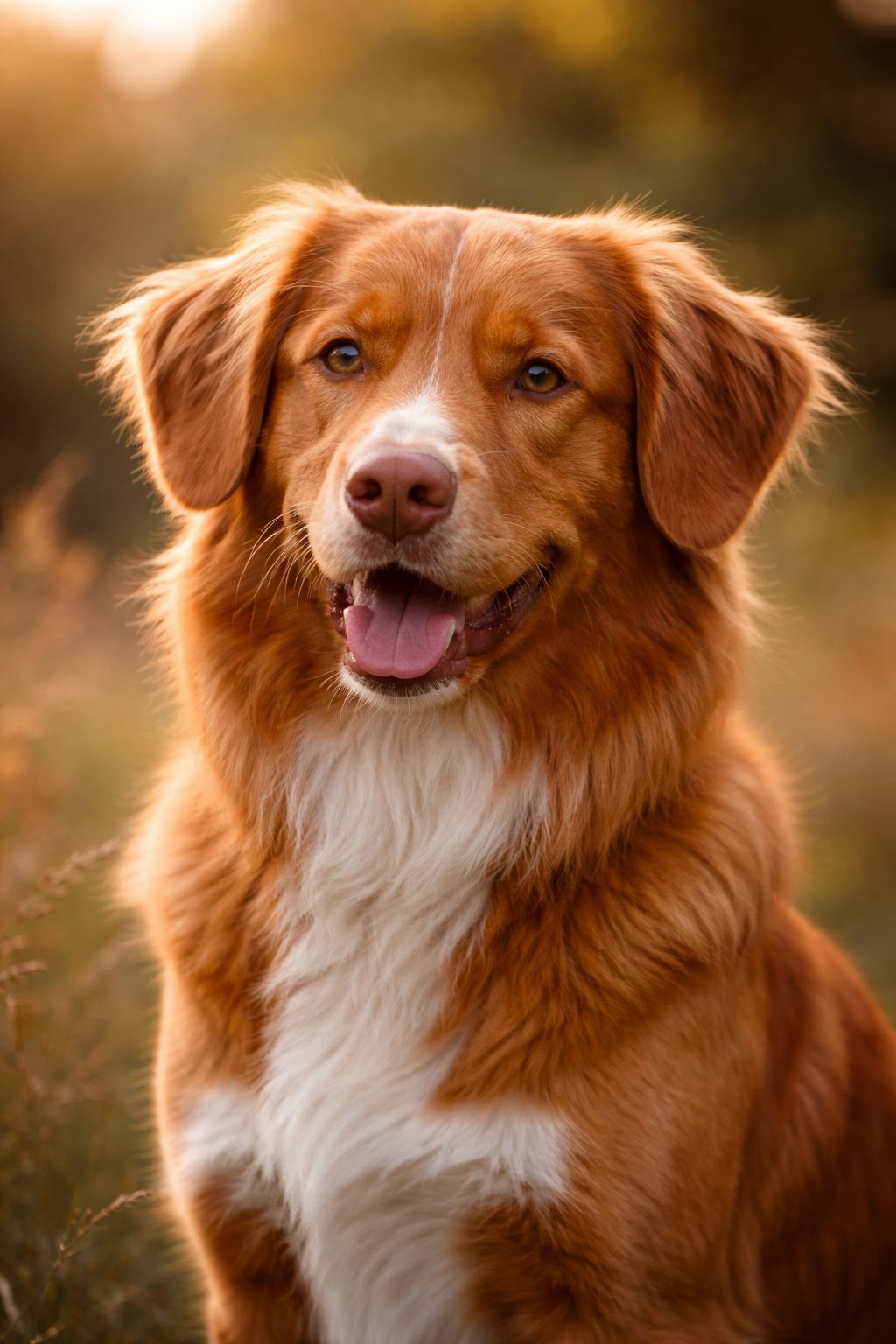
Tollers are brilliant, driven, and easily bored. This hub brings together obedience foundations, recall mastery, sport introductions, exercise planning, and behavioral strategies so you can train smarter, not harder.
- Obedience foundations
- Recall and off-leash reliability
- Dog sports and competition
- Exercise and mental enrichment
Training foundations: the Toller mindset
Tollers are not Golden Retrievers who happen to be smaller. They are independent thinkers with a strong drive to work on their own terms. Understanding this mindset is the foundation of effective training.
The Toller learns fast but loses interest faster. If you ask for sit ten times in a row, expect a bored look by the fifth. Keep sessions short (3 to 5 minutes for puppies, 10 to 15 minutes for adults), rotate exercises, and end on a high note.
Harsh corrections shut Tollers down. They do not respond with submission; they respond with avoidance. Positive reinforcement with clear markers (clicker or verbal "yes") and high-value rewards builds the cooperative relationship this breed needs.
Training principles
- Short sessions, high value rewards
- Rotate exercises to prevent boredom
- End every session on success
- Use a marker (clicker or verbal)
- Never train when frustrated
- Proof cues in multiple environments
Core obedience cues
Every Toller should have a reliable foundation of core cues. These are not tricks; they are safety tools and the basis for everything else.
Sit and down
Start with lure-based shaping. Fade the lure quickly and transition to a hand signal paired with a verbal cue. Practice in different locations to generalize the behavior.
Stay and wait
Build duration before distance. Start with a 3-second stay at arm's length, then gradually increase time and step away. Release with a consistent cue like "free" or "okay."
Leave it
Essential for a breed with high prey drive. Teach with low-value distractors first, then gradually increase difficulty. Reward the choice to disengage, not just compliance.
Loose-leash walking
Tollers pull toward anything interesting. Use a front-clip harness for management while training. Reward check-ins, direction changes, and voluntary attention. Make walking with you more interesting than pulling ahead.
Settle on a mat
The "off switch" cue. Teach the dog to lie on a designated mat and relax. This transfers to veterinary offices, restaurants, and any situation where calm behavior is needed.
Drop it and give
Critical for a retriever breed. Trade the item for a high-value treat. Never chase a Toller for a stolen object; that becomes the best game ever invented.
Recall: the most important cue
A reliable recall can save your Toller's life. But recall is also the hardest cue to master because you are competing with birds, squirrels, other dogs, and the general thrill of freedom.
The golden rule: never call your Toller to you for something unpleasant. Every recall should end in celebration. If you need to do something the dog will not enjoy (bath, nail trim, leaving the park), go get the dog instead.
Building recall in stages
- Indoors with no distractions: call and reward heavily
- Backyard with mild distractions: use a long line as backup
- Low-distraction outdoor area: 15-foot long line, high-value treats
- Moderate distraction: proof with other dogs at a distance
- High distraction: off-leash only after consistent success on a line
Recall rules
- One recall cue, used consistently
- Always reward generously when the dog comes
- Never punish a dog that finally comes
- Use a long line until reliability is solid
- Practice in 20+ environments
- Run away from the dog to increase drive to follow
Dog sports for Tollers
Tollers excel in canine sports because they combine athleticism with trainability and drive. Structured sport provides the physical outlet and mental challenge the breed craves.
Agility
Speed, tight turns, and handler responsiveness make Tollers competitive at every level. Start with foundation work (body awareness, target training) before introducing obstacles.
Dock diving
A natural fit for a water-loving retriever. Tollers take to the dock quickly and compete well in distance and air retrieve categories. Start with low-height ramps and build confidence.
Scent work
Channels the Toller's nose and problem-solving ability into a structured activity. Indoor searches, exterior hides, and vehicle searches keep sessions varied and mentally demanding.
Flyball
Relay racing over hurdles with a ball return. Tollers bring speed and ball drive. This high-energy sport also builds teamwork between dogs and handlers.
Rally obedience
A more relaxed alternative to formal obedience trials. Handler and dog navigate a course of stations with heeling, turns, and cues. Good for building precision without the pressure.
Hunt tests & field work
The breed's original purpose. Hunt tests evaluate marking ability, blind retrieves, and steadiness. Even non-hunting owners can participate in AKC or NAHRA hunt tests.
Exercise planning
Exercise is not optional for a Toller. An under-exercised Toller becomes destructive, vocal, and anxious. But exercise is more than just a walk around the block.
The three pillars of Toller exercise
- Physical: Running, swimming, fetch, hiking (60 - 90 min daily)
- Mental: Training games, puzzle feeders, scent work (15 - 30 min daily)
- Social: Play dates, group classes, dog park visits (2 - 3 times weekly)
The ratio matters. A 30-minute training session can tire a Toller as much as an hour of fetch because it engages the brain. Balance physical output with mental input for the best results.
Exercise needs guideWeekly exercise template
Managing behavioral challenges
Most Toller "behavioral problems" are actually unmet needs. Address the root cause before focusing on symptoms.
The Toller scream
A breed-specific vocalization triggered by excitement. Do not reward the scream with the thing the dog wants. Wait for quiet, reward calm, and be consistent from puppyhood.
Destructive chewing
Almost always a sign of boredom or insufficient exercise. Increase physical activity and provide appropriate chew outlets. Manage the environment by removing high-value chew targets.
Leash reactivity
Often rooted in frustration (wanting to greet) or incomplete socialization. Create distance from triggers, reward calm focus, and work with a positive-reinforcement trainer for structured desensitization.
Resource guarding
Can appear with high-value items or food. Trade up (offer something better) rather than confronting. Consult a certified behaviorist if guarding escalates to growling or snapping.
Behavior troubleshooting
Frequently asked questions
Common training questions answered.
Training Center resources
Go deeper with these supporting guides.
Training & exercise guide
Daily exercise goals, training strategies, and the "job" checklist for high-drive Tollers.
Read the guideRecall training
Build a reliable recall with step-by-step cues, games, and distraction proofing.
Read the guideBest dog sports for Tollers
Agility, dock diving, scent work, and more sports matched to the Toller's drive and athleticism.
Read the guideExercise needs
Daily activity targets, mental enrichment, and life-stage exercise planning for Tollers.
Read the guideExercise checklist
Daily movement, mental enrichment, and weekly routines for high-energy retrievers.
Read the guideTrainability guide
How Toller intelligence impacts training, what works best, and realistic expectations for new owners.
Read the guide