
The Lifestyle Hub
Living with a Nova Scotia Duck Tolling Retriever
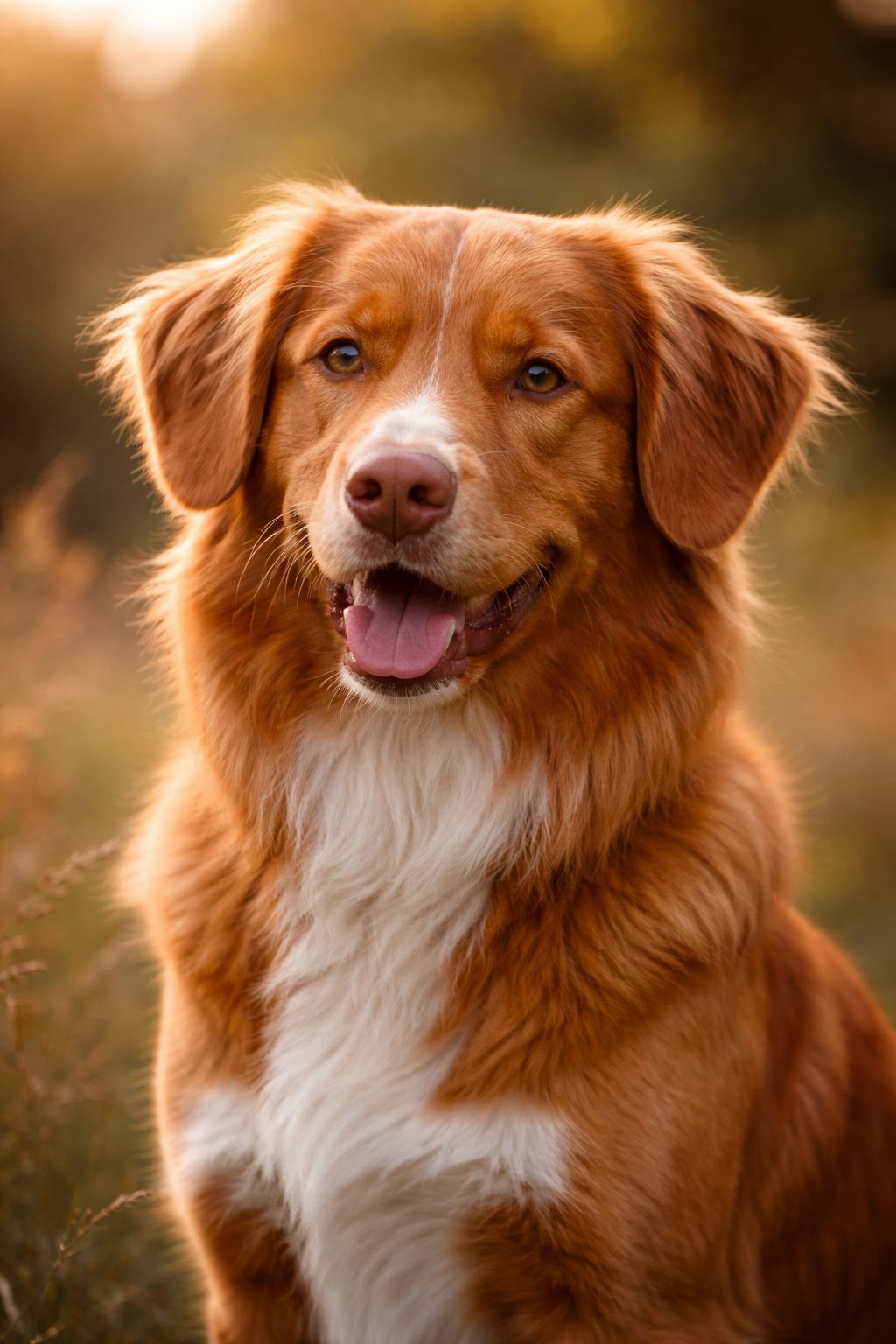
A Toller is not just a dog; it is a lifestyle commitment. This hub helps you decide if the breed fits your household and shows you what daily life actually looks like with one of the most dynamic sporting dogs in the world.
- Family and household dynamics
- Multi-pet home considerations
- Breed comparisons
- Day-in-the-life routine
Is a Toller right for your family?
Tollers thrive in active households where someone is home regularly and enjoys outdoor activities. They are not a "set it and forget it" breed. If your family hikes, swims, runs, or competes in dog sports, a Toller will be your most enthusiastic partner.
They bond deeply with their primary family and can be reserved with strangers. This is not shyness; it is selectivity. Tollers choose their people and pour their loyalty into that circle.
Good fit if you...
- Exercise for 60+ minutes daily (hiking, running, swimming)
- Enjoy training and mental games with your dog
- Want a medium-sized, athletic companion
- Appreciate an independent, intelligent breed
- Have time for grooming and coat maintenance
Not ideal if you...
- Prefer a low-energy, couch-friendly dog
- Work long hours with no enrichment plan
- Want a dog that loves every stranger it meets
- Are not comfortable with shedding and coat care
- Expect a quiet, non-vocal breed
Household fit at a glance
Tollers with children
Tollers and children can form wonderful bonds, but the relationship requires management from the adults in the house. The breed's energy level matches well with active kids who want to throw balls, run in the yard, and explore outdoors.
With toddlers, supervision is essential. Tollers are mouthy retrievers who use their mouths during play, and young children may not understand how to interact safely. Teach children to respect the dog's space, never disturb a sleeping dog, and avoid pulling ears or tails.
Building the kid-dog bond
- Include children in training sessions (supervised)
- Assign age-appropriate responsibilities (filling the water bowl)
- Teach the dog a "settle" cue for calm indoor time
- Provide the dog with a safe retreat space (crate or bed)
- Never leave young children and dogs unsupervised
Kid-friendly activities
- Backyard fetch sessions
- Hide-and-seek (dog finds the child)
- Swimming together at a safe beach
- Trick training with treats
- Nature walks and easy hikes
Tollers in multi-pet homes
Tollers generally get along well with other dogs, especially when introduced properly and socialized early. They enjoy play and can be excellent housemates with dogs of a similar energy level.
With cats, results vary. Many Tollers raised alongside cats coexist peacefully, but the breed's prey drive means that a running cat can trigger a chase response. Slow, supervised introductions with a barrier (baby gate) and management during the transition period are essential.
Small animals and birds
Tollers were bred to retrieve birds. Unsupervised access to chickens, rabbits, or other small animals is not recommended. Even well-trained Tollers may chase instinctively. Secure enclosures and management are the safest approach.
Multi-pet introduction tips
- Introduce on neutral territory when possible
- Keep initial meetings short and positive
- Use baby gates for visual access without contact
- Feed separately during the adjustment period
- Supervise all interactions until trust is established
- Provide each pet with their own retreat space
A day in the life with a Toller
What does a typical day actually look like? Here is a realistic snapshot of life with an adult Nova Scotia Duck Tolling Retriever.
Morning
Afternoon & evening
How Tollers compare to other breeds
Prospective owners often compare the Toller to other popular sporting and herding breeds. These comparisons highlight what makes the Toller unique and help you determine if this breed matches your expectations.
Travel and adventure with a Toller
Tollers are excellent travel companions for active owners. Their medium size makes them manageable in vehicles, and their adaptability means they can adjust to new environments quickly.
Road trips
Crate the dog or use a crash-tested harness. Bring a familiar bed, water bowl, and enough food for the trip. Stop every 2 to 3 hours for potty breaks and short walks.
Camping and hiking
Tollers are natural trail dogs. Bring a long line for areas without secure fencing, pack enough water for both of you, and check for ticks after every outing. A lightweight camp cot or travel mat gives the dog a defined sleeping spot.
Beach and water trips
The breed's natural water affinity makes beach trips a highlight. Rinse saltwater from the coat after swimming, check ears for moisture, and provide shade and fresh water to prevent overheating.
Travel checklist
- Crate or crash-tested car harness
- Collapsible water bowl and extra water
- Food portioned for each day
- Leash, long line, and waste bags
- Vaccination records and ID tags
- Familiar blanket or bed
- First aid kit (dog-specific)
Frequently asked questions
Common lifestyle questions answered.
Lifestyle Hub resources
Go deeper with these supporting guides.
Are Tollers good family dogs?
Household fit, children, other pets, and what makes a Toller-ready home.
Read the guideFamily fit & temperament
Intelligence, intensity, and daily dynamics for families and multi-pet homes.
Read the guideTemperament guide
The full temperament profile: intelligence, drive, the Toller scream, and what to expect.
Read the guideComplete care guide
The cornerstone resource covering every aspect of Toller ownership from puppyhood to senior years.
Read the guideExercise needs
Daily activity targets, mental enrichment, and life-stage exercise planning.
Read the guideAre Tollers rare?
Availability, waitlists, and what to expect when searching for a responsible breeder.
Read the guideToller vs Golden Retriever
Size, temperament, trainability, and lifestyle fit compared side by side.
Read the comparisonToller vs Australian Shepherd
Two high-energy breeds with different drive types: retrieve vs herding instinct.
Read the comparisonToller vs Border Collie
Intelligence, off-switch ability, and household fit for two of the smartest working breeds.
Read the comparison