
nsducktoller.com
Celebrate the Nova Scotia Duck Toller.
Smart, athletic, and loyal, the duck toller thrives with families who love adventure. Explore breed traits, care tips, and owner resources built for fans of this remarkable toller dog.

- Breed history and facts
- Owner guides and training tips
- Dogs Teach Us gallery
- Resources and referrals
About the breed
The Nova Scotia Duck Tolling Retriever is a compact, powerful retriever known for intelligence, agility, and a distinctive red coat.
Often called the Toller, this sporting breed is celebrated for its fox-like tolling behavior, focus in the field, and strong bond with active families.
Temperament
Loyal, energetic, and eager to work. Tollers thrive when they have a job to do and a human partner to learn from.
Family life
Excellent with active households. They bond closely, prefer to be involved, and do best with consistent routines.
Trainability
Highly trainable with positive reinforcement. Short, engaging sessions keep them focused and motivated.
Care essentials
Tollers have moderate grooming needs and strong exercise requirements. A balanced routine keeps them healthy and happy.
Daily activity, positive training, and thoughtful nutrition support a well-rounded Nova Scotia Duck Tolling Retriever at every life stage.
- Daily movement: walks, runs, or fetch sessions
- Weekly brushing to manage seasonal shedding
- Mental games: scent work, agility, and training
Weekly rhythm
Built for activity
Tollers are compact retrievers who love water and movement. Their energy makes them perfect for sport, travel, and outdoor life.
From agility and dock diving to backcountry hikes, this breed thrives with purposeful exercise and a job to do.
Agility
Quick turns and focus make them standouts on the course.
Water work
They are natural swimmers and excel at fetch-based training.
Adventure partner
Perfect for hikes, camping, and weekend trips with the family.
Resources for Toller owners
Start here for trusted organizations, training inspiration, and community connections. We will keep this list updated as the site grows.
Explore breeder clubs, canine sport communities, and health resources to support your Nova Scotia Duck Tolling Retriever.
Breed clubs & registries
Official breed profiles, standards, and breeder directories.
EmberPaws — dog health app
Privacy-first dog health app built by a Nova Scotia Toller owner — track health metrics, organize walks, and share vet reports.
CrosbyTrails — exercise & trails
Your dog's trail journal: GPS-track walks, save favorite trails, and log every adventure — great for high-energy Tollers.
Health & testing
Recommended screenings and breed health research before you bring a Toller home.
The Complete Dog Care Planner

All-new for 2026: an undated health record book & organizer for vet visits, vaccinations, medications, training, and daily care — 104 full-color pages, in paperback and printable PDF.
See the plannerThe Senior Dog Health Journal

New: an undated care planner for the golden years — medications, mobility, comfort, and gentle quality-of-life tracking, plus keepsake pages including A Letter to My Dog.
See the journal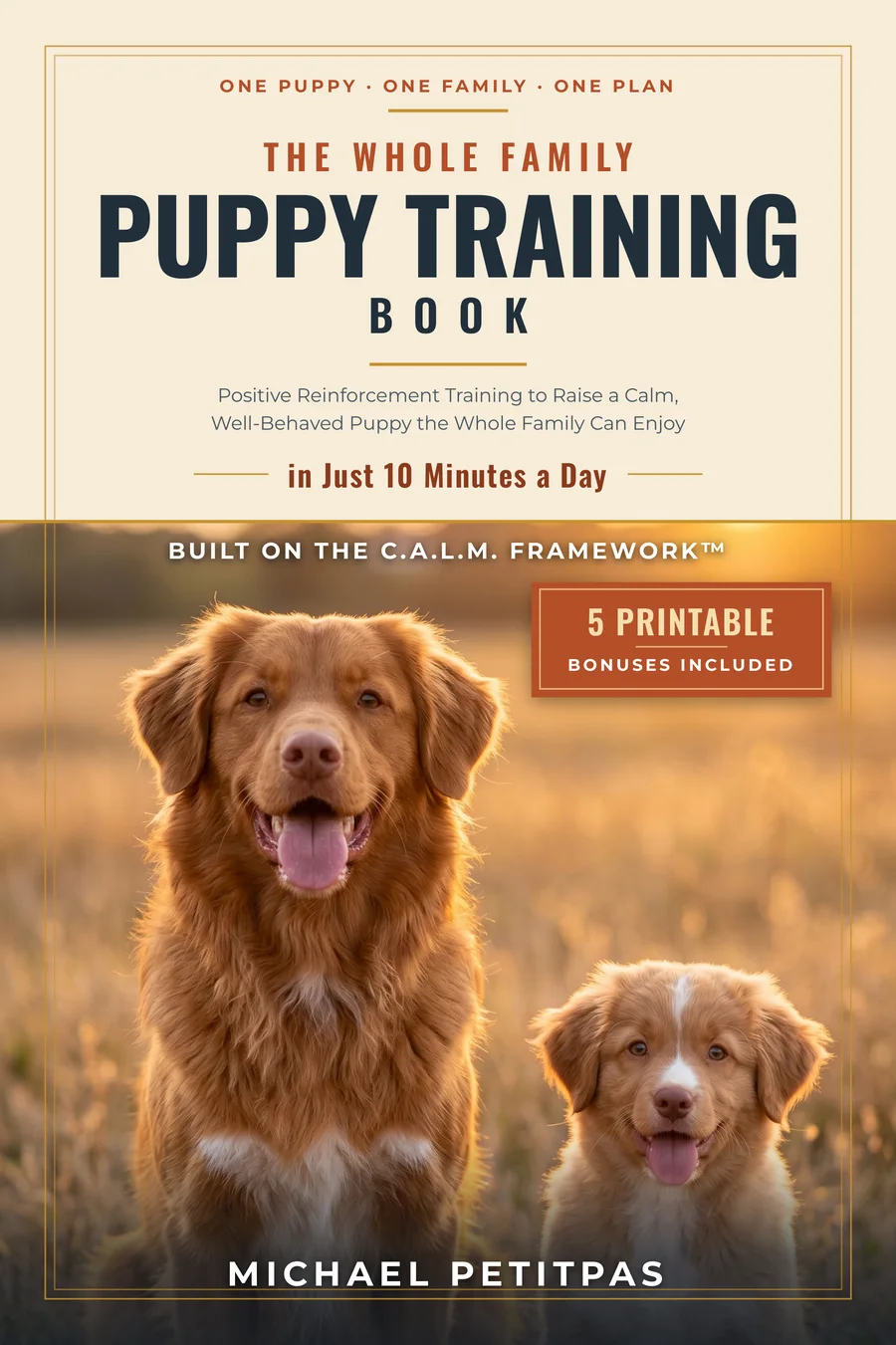
New • Paperback & Kindle
The Whole Family Puppy Training Book
Your puppy isn't being trained by a person — she's being trained by a committee. Positive reinforcement training to raise a calm, well-behaved puppy the whole family can enjoy, in just 10 minutes a day.
Built on the C.A.L.M. Framework™ with the Daily 10, Safety Drills, and the 4-Step Fix — illustrated with real photos from raising our own Tollers, Crosby & Ember. Includes 5 printable bonuses.
For the Kids • Illustrated Paperback
My Puppy & Me: Our First Year Together
An illustrated puppy care guide and fill-in keepsake memory book for kids ages 6–10, featuring Maple the Duck Tolling Retriever puppy.
Kids learn how to feed, train, and understand their new puppy — then record every milestone of the first year with photo pages, an adoption certificate, a paw-print keepsake, and trackers the whole family fills in together.


New • When It’s Time to Say Goodbye
Forever My Dog — A Memory Book & Keepsake
Ten thousand photos on a phone, and nowhere to hold the story. A 72-page square keepsake for the dog who shaped a family — begin it while they’re snoring beside you, or years afterward.
And for the kids: Paw Prints on My Heart, a gentle picture book (ages 4–8) that helps a child say goodbye in plain, honest words — with a Note for Grown-Ups and keepsake pages to fill in together.
Frequently asked questions
Quick answers to the most common questions about the Nova Scotia Duck Tolling Retriever.
Stay in touch
We are building resources, stories, and community updates. Share your email to get updates as nsducktoller.com grows.