
Cornerstone Guide
The ultimate guide to the Nova Scotia Duck Tolling Retriever
The Nova Scotia Duck Tolling Retriever (NSDTR), affectionately known as the Toller, is the smallest of the retriever breeds and one of the most complex in temperament and utility. This definitive guide covers the history, mechanics, health, and lifestyle requirements of this extraordinary breed.
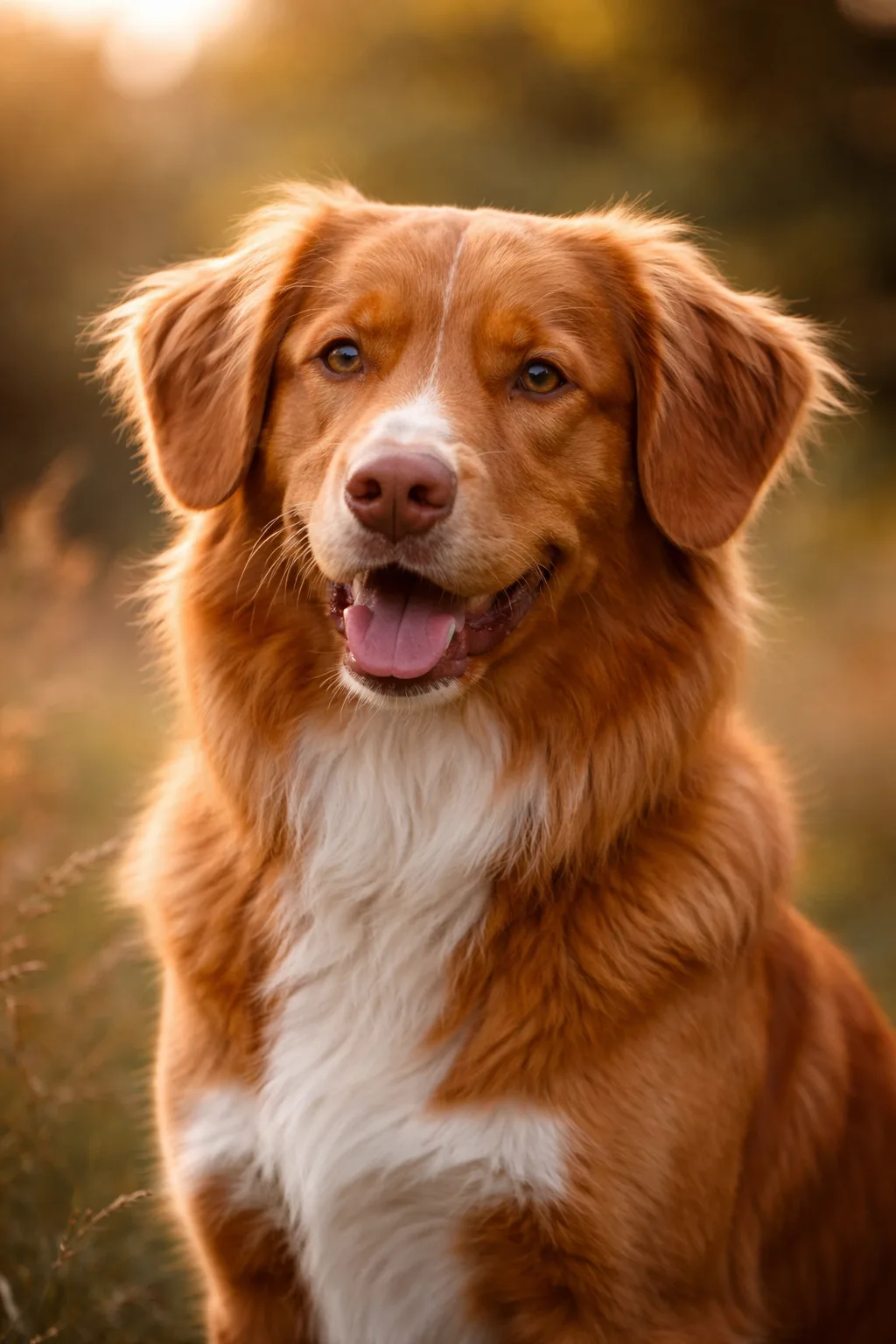
- Height: 18-21 in (m), 17-20 in (f)
- Weight: 35-50 lbs
- Lifespan: 12-14 years
- Energy: Very high, intelligence: exceptional
Key facts: caring for a Toller
- Exercise: 60–90 minutes of activity per day, plus mental enrichment.
- Grooming: weekly brushing; two heavier seasonal coat blows.
- Health testing: OFA hips & elbows, eye exams, DNA (PRA, CEA, JADD).
- Lifespan: 12–14 years with preventive veterinary care.
- Diet: quality nutrition matched to activity level and life stage.
The heritage of the Little River Duck Dog
The Toller's story begins in the 19th century in the Little River district of Yarmouth County, Nova Scotia. While most retrievers were developed in the UK, the Toller is a uniquely Canadian creation, bred specifically to meet the needs of maritime hunters.
The fox connection
The breed was inspired by the Red Fox. Hunters observed that ducks were naturally curious about foxes playing on the shoreline. Rather than flying away, the waterfowl would swim closer to investigate the fox's bushy tail and erratic movements. Canadian hunters decided to breed a dog that looks and acts like a fox.
The result was likely a mix of St. John's Water Dog (ancestor of the Labrador), Cocker Spaniels, Irish Setters, and farm collies. By the early 1900s the breed was stabilized and officially recognized by the Canadian Kennel Club in 1945 under its current name.
The mechanics of tolling
The word "tolling" comes from Middle English and means "to lure or summon." Understanding this behavior helps explain the Toller’s high energy and busy nature.
This work requires a dog with a dual personality: playful, frantic energy on land and steady, disciplined focus in the water.
How the hunt works
- The hunter stays concealed in a blind or behind brush.
- The hunter throws a stick or ball along the shoreline.
- The dog runs back and forth, playfully leaping and catching the object while remaining silent.
- Ducks and geese swim closer, intrigued by the "playing fox."
- The hunter calls the dog back, stands up, and shoots. The Toller switches from actor to retriever, plunging into cold water to bring back the game.
Physical characteristics: form follows function
The coat
The Toller has a water-repellent double coat. The outer coat is medium-length and soft, while the undercoat is dense to provide insulation against icy Canadian waters. Colors range from golden red to deep copper, often with white markings.
Size and build
- Height: Males 18-21 inches; females 17-20 inches.
- Weight: Typically 35-50 pounds.
- Tail: Feathered and held high when alert or tolling; a rudder in water and a flag on land.
The feet
Tollers have significant webbing between their toes, making them powerful and efficient swimmers built for cold water retrieves.
Temperament: the Toller attitude
Intelligence vs. independence
Tollers are brilliantly smart but are not eager to please in the same way a Labrador is. A Toller will often ask "why" before performing a command, and repetitive tasks can lead to disengagement.
The Toller stare
Tollers are known for intense focus. When they want something, they will fixate on it with a piercing, unblinking gaze that can be unnerving for the uninitiated.
Sensitivity
Despite their rugged exterior, they are sensitive dogs who pick up on their owner's emotions. Harsh training methods often shut them down; they need a partnership, not a dictatorship.
The infamous Toller scream
The Toller scream is a high-pitched, bird-like shriek. It is not a bark or a howl, and it is a defining vocalization of the breed.
- Why they do it: Extreme excitement or frustration, often when spotting birds, starting an agility run, or greeting a favorite person.
- Management: You cannot fully train it out, but you can reduce it with impulse control work and rewarding calm behavior.
Training and mental stimulation
For a Toller, physical exercise is rarely enough. Five miles of running can still leave a bored dog without a job to do.
The need for a job
- Agility: Speed and tight turning radius make them top-tier.
- Scent work: Spaniel heritage gives them excellent noses.
- Dock diving: Their natural element.
- Obedience: Challenging but rewarding with positive reinforcement.
Socialization
Tollers can be cautious or aloof with strangers. Early and varied socialization is mandatory to prevent timidity or reactivity.
Build your Toller toolkit
Pair this cornerstone guide with our focused deep dives on temperament, training, grooming, and health.
Health and longevity
The Toller is generally hardy, but their small global population means specific genetic issues must be monitored.
Common genetic concerns
- Hip Dysplasia (OFA clearances).
- Progressive Retinal Atrophy (PRA).
- Autoimmune issues such as Addison's Disease or SRMA.
- JADD (Juvenile Addison's Disease) DNA testing for puppies.
Average lifespan: 12 to 14 years.
Grooming: managing the red fuzz
- Brushing weekly, daily during shedding season.
- Dry ears after swimming to prevent infections.
- Trim foot tufts ("grinch feet") to reduce debris and tracking.
Living with a Toller: is your home ready?
The Toller-proof home
Tollers are mouthy dogs. Without appropriate chew toys they will find their own, and they are well known for following their people everywhere (including the bathroom).
The ideal owner
The ideal Toller owner is an active intellectual: someone who enjoys the outdoors and the technical challenge of training.
Pros and cons summary
More owner guides
Continue with focused support articles for each pillar.
Temperament & family dynamics
How Tollers fit into families, multi‑pet homes, and daily life.
Read the guideTraining & exercise guide
Daily exercise goals, training strategies, and “job” ideas.
Read the guideHealth conditions explained
Addison's, PRA, JADD, and the DNA tests that prevent them.
Read the guideFinding your Toller
Choosing a breeder
- OFA hip and elbow clearances.
- Annual eye exams (CAER).
- DNA testing for PRA, CEA, and JADD.
- Membership in NSDTR Club of Canada or NSDTR Club (USA).
Full walkthrough: how to find a reputable Toller breeder and what a Toller really costs.
Rescue
Tollers sometimes end up in rescue because owners were unprepared for their energy. Toller-specific rescues are the best place to look for adult dogs — see our rescue & adoption guide.
Final verdict
The Nova Scotia Duck Tolling Retriever is not a small Golden Retriever. They are a distinct, high-intensity breed that requires a dedicated handler. If you can provide the mental stimulation they crave and the physical activity they need, you will have a partner unmatched in loyalty, versatility, and joy for life.
"A Toller isn't just a dog; it's the smartest person in the room - just with more fur and a better sense of humor."
Frequently asked questions
Common questions about caring for a Nova Scotia Duck Tolling Retriever.
Sources
Trusted references for breed standards and health guidance.
Track your Toller's health with EmberPaws
EmberPaws is a privacy-first dog health app — log weight, vet visits, medications, and routines in one place. Built by a Nova Scotia Toller owner.