
Grooming & Coat Care
Best Brush for a Nova Scotia Duck Tolling Retriever
The Toller's water-repellent double coat needs the right tools. This guide compares brush types, explains when to use each one, and lays out a grooming routine that keeps shedding manageable year-round.
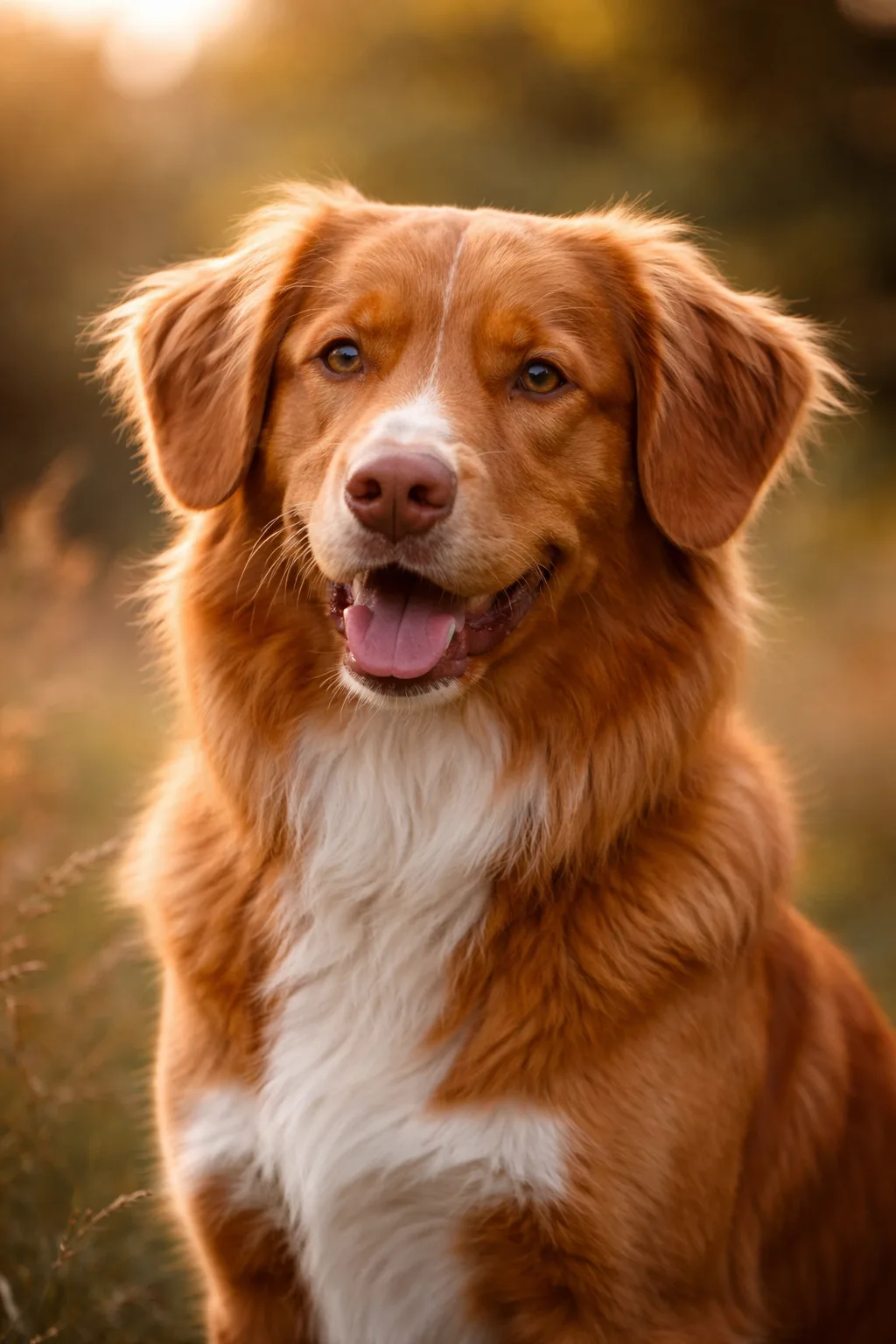
- Double coat: dense undercoat + outer guard hair
- Moderate shedding year-round
- Heavy seasonal coat blow twice yearly
- Water-repellent; avoid over-bathing
Understanding the Toller double coat
The Nova Scotia Duck Tolling Retriever has a medium-length double coat designed for cold-water retrieving. The soft, dense undercoat provides insulation, while the longer outer coat repels water and protects against brush and briars.
This coat sheds moderately throughout the year and heavily during seasonal coat blows in spring and fall. During these periods, large clumps of undercoat release and can mat if not removed.
The key areas prone to tangles are behind the ears, the chest feathering, the "pants" (rear leg feathering), and the tail plume. Regular brushing prevents mats from forming and distributes natural oils that keep the coat healthy.
Problem areas to watch
- Behind and under the ears (fine, silky fur)
- Chest and neck ruff
- Rear leg feathering ("pants")
- Tail plume
- Armpits and groin
Brush types compared
No single brush handles every grooming task. Most Toller owners keep two or three tools in rotation depending on the season.
Deep dive: the essential tools
Slicker brush
The workhorse of Toller grooming. Fine, bent wire pins glide through the coat, removing loose fur and light tangles. Choose a medium-sized slicker with flexible pins to avoid scratching the skin. Brush in the direction of hair growth with moderate pressure.
Look for cushioned-pad slickers that give slightly against the skin. Avoid hard-mounted pins on sensitive areas like the belly and inner thighs.
Undercoat rake
A must-have during coat blow season. The rake's wide-set, rounded teeth reach through the outer coat to pull out dead undercoat without cutting or damaging the guard hairs.
Use long, gentle strokes from the skin outward. Work section by section, especially on the chest, thighs, and rump where undercoat is densest. A good undercoat rake removes more loose fur per stroke than any other tool.
Greyhound comb
The finishing tool. After brushing, run a metal Greyhound comb through the coat to catch any remaining tangles. If the comb slides through smoothly, the coat is fully groomed.
Use the wide-tooth end for the body and the fine-tooth end behind the ears and on the face. This tool also helps detect early mats before they tighten into a problem.
Recommended grooming routine
Weekly maintenance (non-shedding season)
- Start with the slicker brush on the body and sides
- Switch to the pin brush for feathering (legs, chest, tail)
- Use the Greyhound comb behind the ears and in the armpits
- Check paw pads for debris; trim excess fur between pads
- Wipe ears with a damp cloth if needed
Coat blow season (2 - 3 times per week)
- Begin with the undercoat rake on the chest, rump, and thighs
- Follow with the slicker brush to smooth the outer coat
- Use the Greyhound comb for a final tangle check
- Consider an outdoor session; undercoat flies everywhere
Grooming tips
- Never brush a dry, dirty coat; mist lightly with water or detangler
- Brush before bathing to remove loose fur first
- Do not shave the double coat; it insulates against heat and cold
- Trim only the paw pads, ear edges, and hock feathering
- Reward calm behavior with treats during grooming
- Start handling and brushing as a puppy to build positive associations
Tools to avoid
Not every popular grooming tool is appropriate for the Toller coat. Using the wrong tool can damage guard hairs, irritate the skin, or create an unnatural coat texture.
- Clippers or shavers: Never shave a Toller's double coat. The undercoat may not grow back correctly, and the coat loses its ability to regulate temperature.
- Thinning shears (excessive use): Occasional light use on heavy feathering is acceptable, but aggressive thinning creates a choppy, unnatural look.
- Deshedding tools used too often: Tools like the Furminator are effective but can cut guard hairs if overused. Limit to coat blow season and use gentle pressure.
- Human hair brushes: Too soft to penetrate the double coat. They smooth the surface without reaching the undercoat where tangles form.
The golden rule
If the comb or brush is pulling hard enough to make the dog wince, you are either using too much pressure, hitting a mat that needs to be worked out gently, or using the wrong tool for the area.
Grooming should be a calm, positive experience. If you or the dog are frustrated, take a break and come back later.
Related resources
Continue with these grooming and coat care guides.
Do Tollers shed?
Shedding seasons, coat blow cycles, and a complete coat care routine.
Read the guideHealth & genetic screening
Genetic testing, health checklists, and wellness routines for Tollers.
Read the guide